

How can high blood pressure be treated? From home remedies to medications + video
Managing high blood pressure is crucial for individuals affected by this condition, as untreated hypertension can lead to serious complications such as heart fa...

Steps in testing and diagnosis
Diagnosing asthma generally includes a medical history, physical exam and lung tests.
An asthma diagnosis is based on several factors, including a detailed medical history, a physical exam, your symptoms, and overall health and test results.
Medical historyThe first step in diagnosing asthma is talking to your doctor about your symptoms and your health. This can provide clues as to whether asthma or something else is causing your symptoms. Your doctor will likely ask about your symptoms and your exposure to substances that have been linked to asthma. Questions might include:
Your doctor may:
Your doctor will want to know whether you have common signs and symptoms of asthma, such as:
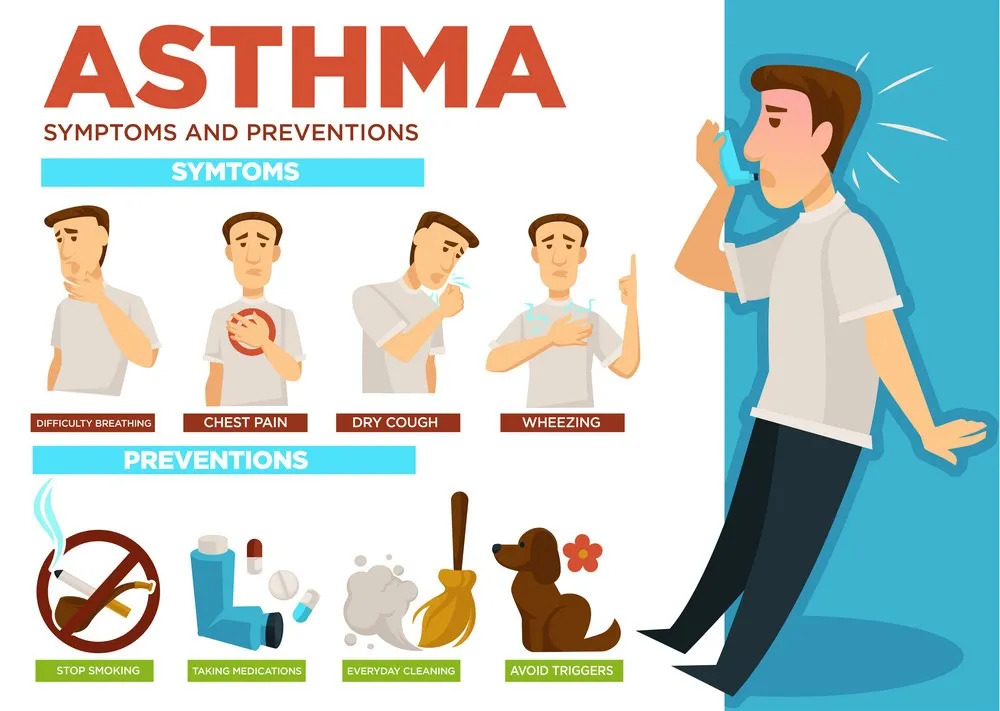
In children, additional signs and symptoms may signal asthma. These may include:
Your doctor may use several tests to determine how well your lungs are working.
This is the main test doctors generally use to diagnose asthma in people 5 years or older.
To help determine how well your lungs are working (pulmonary function), you take a deep breath and forcefully breathe out (exhale) into a tube connected to a spirometer. This records both the amount (volume) of air you exhale and how quickly you exhale. If certain measurements are below normal for a person your age, it may indicate that asthma has narrowed your airways.
After taking lung test measurements, your doctor may ask you to inhale an asthma drug to open air passages and then do the test again. Showing significant improvement after taking the medication could mean you have asthma.
If your spirometer results are normal or near normal, your doctor might try to trigger asthma symptoms by having you inhale a substance that causes the airways to narrow in people with asthma, such as methacholine (meth-uh-KO-leen).
If you appear to have asthma triggered by exercise (exercise-induced asthma), you may be asked to do physical activity to see whether it triggers symptoms.
After either action, you’ll retake the spirometry test. If your spirometry measurements remain normal, you probably don’t have asthma. But if your measurements have fallen significantly, it’s possible you do.

Doctors seldom do lung tests in children under age 5. Instead, diagnosis is generally based on a child’s signs and symptoms, medical history, and physical examination. It can be especially difficult to diagnose asthma in young children because there are many conditions that cause asthma-like symptoms in this age group.
If your child’s doctor suspects asthma, the doctor may prescribe a bronchodilator — a drug that opens the airways. If your child’s signs and symptoms improve after using the bronchodilator, your child may have asthma.
You breathe into a tube connected to a machine that measures the amount of nitric oxide gas in your breath. Nitric oxide gas is produced by the body normally, but high levels in your breath can mean your airways are inflamed — a sign of asthma.
Additional tests: Ruling out conditions other than asthmaIf your doctor suspects that you have a condition in addition to or other than asthma, you may need tests such as:
Your doctor may also want to see whether you have other conditions that often accompany asthma and can worsen symptoms. These include:
Your doctor may also perform allergy tests. These can be skin tests, blood tests or both. Although not used to diagnose asthma, allergy tests can help identify an allergic condition, such as hay fever, that may be causing your symptoms or worsening existing asthma.
Sometimes, diagnosing the cause of breathing problems is a challenge. It can be difficult to differentiate asthma from other conditions — particularly in young children.
When asthma coexists with another condition that affects breathing, it can further complicate diagnosis.
Even if a diagnosis isn’t certain, your doctor may prescribe medications or other treatment to see what helps. It may take time — and patience — to get the correct diagnosis and determine the best course of treatment.
Prepared : Nikta Hosseini – Biomedical Engineering Student
Source : www.healthdirect.gov.au
Doctors seldom do lung tests in children under age 5. Instead, diagnosis is generally based on a child’s signs and symptoms, medical history, and physical examination. It can be especially difficult to diagnose asthma in young children because there are many conditions that cause asthma-like symptoms in this age group.
If your child’s doctor suspects asthma, the doctor may prescribe a bronchodilator — a drug that opens the airways. If your child’s signs and symptoms improve after using the bronchodilator, your child may have asthma.
You breathe into a tube connected to a machine that measures the amount of nitric oxide gas in your breath. Nitric oxide gas is produced by the body normally, but high levels in your breath can mean your airways are inflamed — a sign of asthma.
Additional tests: Ruling out conditions other than asthmaIf your doctor suspects that you have a condition in addition to or other than asthma, you may need tests such as:
Your doctor may also want to see whether you have other conditions that often accompany asthma and can worsen symptoms. These include:
Your doctor may also perform allergy tests. These can be skin tests, blood tests or both. Although not used to diagnose asthma, allergy tests can help identify an allergic condition, such as hay fever, that may be causing your symptoms or worsening existing asthma.
Sometimes, diagnosing the cause of breathing problems is a challenge. It can be difficult to differentiate asthma from other conditions — particularly in young children.
When asthma coexists with another condition that affects breathing, it can further complicate diagnosis.
Even if a diagnosis isn’t certain, your doctor may prescribe medications or other treatment to see what helps. It may take time — and patience — to get the correct diagnosis and determine the best course of treatment.
Prepared : Nikta Hosseini – Biomedical Engineering Student
Source : www.healthdirect.gov.au

Managing high blood pressure is crucial for individuals affected by this condition, as untreated hypertension can lead to serious complications such as heart fa...

Symptoms, issues, and treatment methods Osteoporosis, also referred to as “bone fragility” or “bone density loss,” is a medical condition characterized by weake...
A peptic ulcer is an open sore or sores in the layers of the stomach or the initial part of the small intestine. These ulcers can occur in the stomach (gastric...