

How Can High Blood Pressure Be Treated? From Home Remedies to Medications + Video
Managing high blood pressure is crucial for individuals affected by this condition, as untreated hypertension can lead to serious complications such as heart fa...

17th April, World Hemophilia Day
Adapting to Change, sustaining care in a new worldWorld Hemophilia Day is an international awareness day for hemophilia and other bleeding disorders. It is held annually on April 17, date of the birthday of Frank Schnabel, founder of the World Federation of Hemophilia.
World Hemophilia Day is the day the whole bleeding disorders community comes together to celebrate the continuous advances in treatment while raising awareness and bringing understanding and attention to the issues related to proper care to the wider public.
Hemophilia is usually an inherited bleeding disorder in which the blood does not clot properly. This can lead to spontaneous bleeding as well as bleeding following injuries or surgery. Blood contains many proteins called clotting factors that can help to stop bleeding. People with hemophilia have low levels of either factor VIII or factor IX. The severity of hemophilia that a person has is determined by the amount of factor in the blood. The lower the amount of the factor, the more likely it is that bleeding will occur which can lead to serious health problems.
In rare cases, a person can develop hemophilia later in life. The majority of cases involve middle-aged or elderly people, or young women who have recently given birth or are in the later stages of pregnancy. This condition often resolves with appropriate treatment.
CausesHemophilia is caused by a mutation or change, in one of the genes, that provides instructions for making the clotting factor proteins needed to form a blood clot. This change or mutation can prevent the clotting protein from working properly or to be missing altogether.
There are several different types of hemophilia. The following two are the most common:
Common signs of hemophilia include:
Hemophilia occurs in about 1 of every 5,000 male births. Based on recent study that used data collected on patients receiving care in federally funded hemophilia treatment centers during the period 2012-2018, about 20,000 as many as 33,000 males in the United States are living with the disorder. Hemophilia A is about four times as common as hemophilia B, and about half of those affected have the severe form. Hemophilia affects people from all racial and ethnic groups.
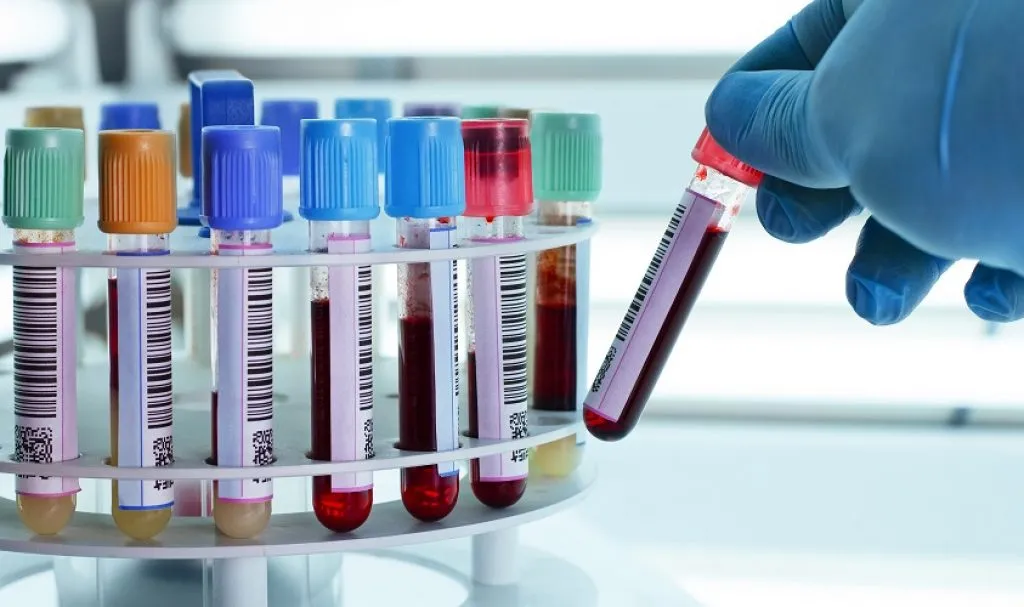
Many people who have or have had family members with hemophilia will ask that their baby boys get tested soon after birth.
About one-third of babies who are diagnosed with hemophilia have a new mutation not present in other family members. In these cases, a doctor might check for hemophilia if a newborn is showing certain signs of hemophilia.
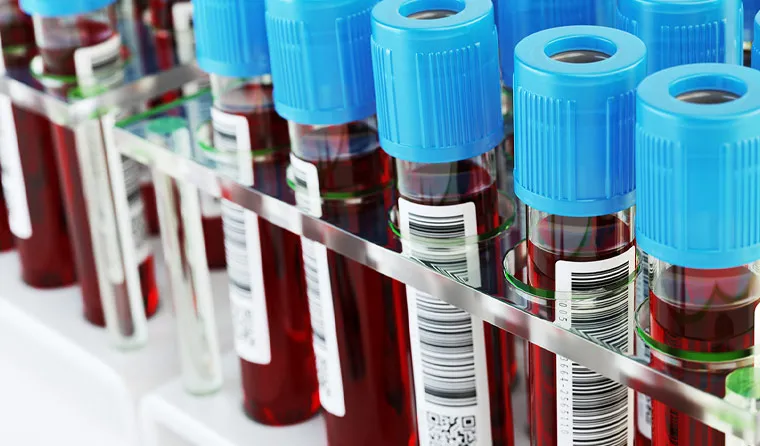
To make a diagnosis, doctors would perform certain blood tests to show if the blood is clotting properly. If it does not, then they would do clotting factor tests, also called factor assays, to diagnose the cause of the bleeding disorder. These blood tests would show the type of hemophilia and the severity.
The best way to treat hemophilia is to replace the missing blood clotting factor so that the blood can clot properly. This is done by infusing (administering through a vein) commercially prepared factor concentrates. People with hemophilia can learn how to perform these infusions themselves so that they can stop bleeding episodes and, by performing the infusions on a regular basis (called prophylaxis), can even prevent most bleeding episodes.
Good quality medical care from doctors and nurses who know a lot about the disorder can help prevent some serious problems. Often the best choice for care is to visit a comprehensive Hemophilia Treatment Center (HTC). An HTC not only provides care to address all issues related to the disorder, but also provides health education that helps people with hemophilia stay healthy.
Prepared : Negin Ghafouri – Biomedical Engineering Student
Source : www.cdc.gov

Managing high blood pressure is crucial for individuals affected by this condition, as untreated hypertension can lead to serious complications such as heart fa...

Symptoms, issues, and treatment methods Osteoporosis, also referred to as “bone fragility” or “bone density loss,” is a medical condition characterized by weake...
A peptic ulcer is an open sore or sores in the layers of the stomach or the initial part of the small intestine. These ulcers can occur in the stomach (gastric...
Answers are AI-generated from this website’s content only and are not medical advice.